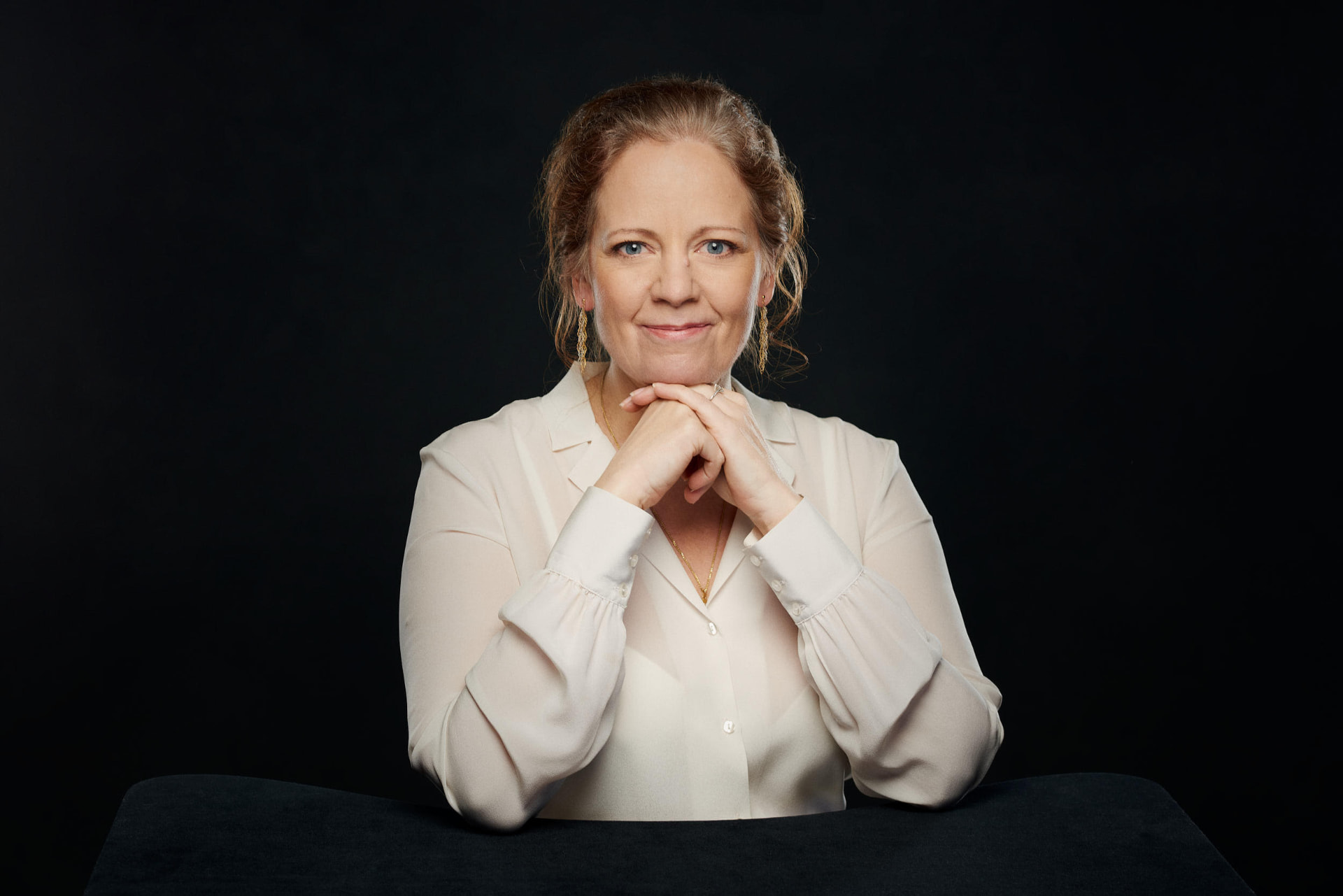
Forbes-Featured · Executive Confidant
The confidant senior leaders call before the decision is announced.
Senior leadership is often a lonely place to make the calls that matter most. I work with a small number of executives and board members as the confidant they think through the decisions that shape their organisations — before the final choice is made, not after.
Most executives are not bad decision-makers. They are making good decisions with inadequate structure for the complexity they are carrying.
Executive Confidant Support
One leader. One relationship. Absolute discretion.
I work with a small number of senior leaders — CEOs, founders, board members — as their sparring partner and confidant: bringing structure into the final decision, and helping the executive and their management team avoid the neuroscience traps in decision-making that shape the organisation. Twenty-five years of being in that room is what makes the conversation useful.
Format
A blend of strategic consultancy, mentoring, and coaching — applied directly to the decisions in front of you: succession, restructuring, the call you already regret.
Frequency
Set by the situation, not a calendar — weekly, monthly, or daily, depending on what the decision requires.
I sit on your side of the table.
Book by Mae Leyrer
How senior leaders structure their thinking before a decision they cannot take back.
The Strategic Storylining Framework, which is introduced in this handbook, is an easy and practical tool that helps you avoid falling into diverse decision-making traps.
The Strategic Storylining Framework combines decades of global executive experience with ancient storytelling secrets and wisdom from some of the more common consultancy models. It is broadly applicable — in office and in life. It helps you improve your information structuring skills, enhance the quality of your decisions and ensure that your decisions are clearly communicated. Hundreds of managers at companies ranging from Fortune 500 to small businesses across the world are already using the Framework.
Benefits
- Improve your information structuring skills
- Enhance the quality of your decisions
- Communicate your decisions clearly, gaining audience’s buy-in
Who It’s For
Managers and politicians who have to make and explain a decision more than once a day — hundreds of them already, from Fortune 500 boardrooms to small businesses.

Forbes-Featured · Executive & Board Advisor
Twenty-five years learning it the hard way — as the person in the room when the decision had to be made.
My career started in the United States, studying business administration at the State University of New York and finance at Monmouth University — first as an intern at Merrill Lynch, then as a business analyst at Byrne Investment Research. Back in Europe, I spent close to a decade in banking with Danske Bank: first in Estonia, then in Denmark, working directly with the Group’s Executive Board to build and execute strategy across fifteen EU markets.
After banking, I dedicated several years to the development of Estonia’s financial market as CEO of Finance Estonia, alongside supervisory board and chairwoman roles at companies including OpusCapita and the Estonian Cooperative Bank. As a partner in a consulting boutique, I worked as co-founder, mentor, and interim manager to startups and corporates across Europe, among them Funderbeam, Match-Maker Ventures, Upgraded, and Daimler Financial Services.
The Moment
Leader of the Year — chosen by the people who stayed.
As interim Group CEO, I was brought in to save Baltika AS, a stock-listed fashion retailer, from bankruptcy. The restructuring meant cutting the workforce in half. There was no version of that decision that would feel good. What happened afterward surprised me: the employees who remained elected me Leader of the Year.
That pattern held across every boardroom I sat in, on every continent: decision quality has far less to do with intelligence than it does with structure. The strongest strategic minds I’ve worked with still made costly calls when the thinking behind the decision had no shape. Twenty-five years of watching that up close is what both the Executive Confidant work and the Strategic Storylining framework are built on.
Since 2015, I’ve coached the strategic thinking and communication of managers and executives across Europe, and served two terms as President of the WU Executive Academy Advisory Board. My Global Executive MBA is a double degree from the Vienna University of Economics and Business and the Carlson School of Management, completed in 2013 — one part of a working life spent across three continents and seven markets: Austria, the United States, Estonia, Denmark, India, China, and Russia.
Today, that same thinking continues at Strategic Decision Intelligence — the programme I founded, now used by more than 1,000 managers and executives across Europe.

Not despite that decision. Because of how it was made, understood, and communicated.
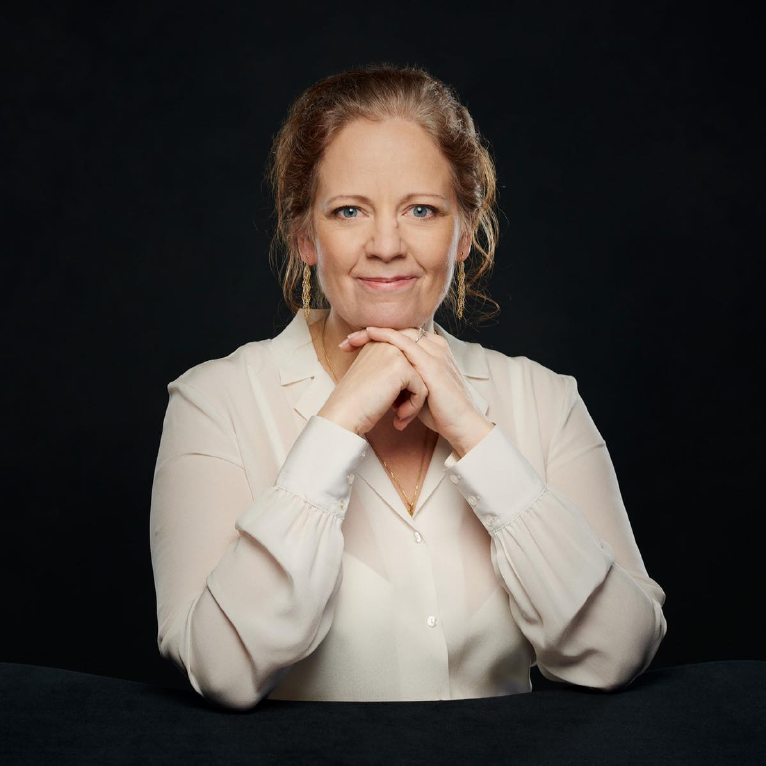
As a Person
The calling was never the title.
At eighteen, I left Estonia for the United States with a suitcase, no plan for how to pay for an education, and nothing but a strong will and a clear goal. It turned out to be enough. That same will has since taken me to live, work, and study across three continents and seven countries. I’ve settled into a family where none of us share a passport — my husband is Austrian, my son was born in the United States, and I’m Estonian.
People who’ve worked with me describe me as honest, open-minded, optimistic, and warm — the kind of person others feel safe confiding in. I’m also, by my own admission, a recovering perfectionist and workaholic; if there were a support group, I’d still be attending. What I never mastered, even across two decades as an executive, was delegation. The best part of most days was still someone stepping into my office to ask if I had time to listen. What interested me was never giving the answer — it was asking the question that helped them find their own. It took a long career to realise that this, not the executive title, was the calling.
Talk with Me